


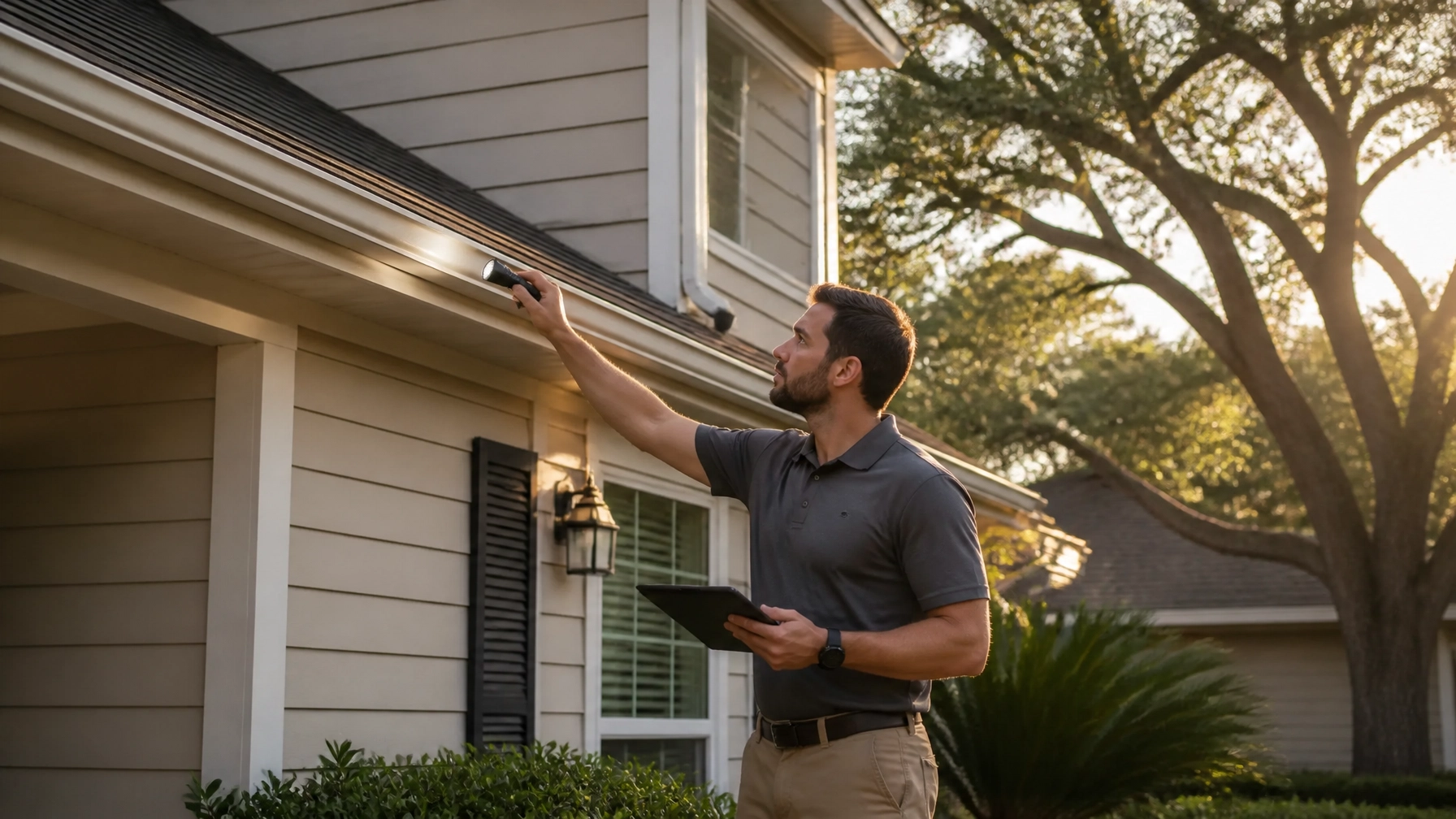

What should Pensacola buyers know about home inspections in 2026? A standard inspection gives you a visual overview of the home’s major systems, while specialty inspections help uncover Florida-specific concerns involving wind, roofing, moisture, termites, pools, septic systems, and flood exposure. The report can guide your repair requests, insurance planning, and decision about whether to continue with the purchase.
By Melody Webb for Haus Realty & Management
Category: Buying a Home
Published September 4, 2026
Buying a home in Pensacola is about more than finding the right floor plan and location. A property may look well-maintained during a showing but still have an aging HVAC system, roof concerns, drainage problems, or wood-destroying-organism activity.
That’s why your inspection period matters. It gives you a structured opportunity to understand the home before closing and, depending on your contract, negotiate or withdraw when serious issues arise.
What does a standard Florida home inspection cover?
Florida home inspections are generally visual and non-invasive. Under Florida’s inspection standards, a licensed inspector evaluates accessible components and reports observed deficiencies, safety concerns, and systems that appear significantly deficient or near the end of their useful life.
A standard inspection commonly includes:
- Structural components
- Roof covering and visible roof structure
- Exterior walls, doors, windows, porches, and decks
- Electrical panels, wiring, outlets, and switches
- Plumbing supply, drains, fixtures, and water heaters
- Heating and cooling equipment
- Attic areas and visible insulation
- Interior walls, ceilings, floors, stairs, and fireplaces
- Garages, ventilation, and site drainage
The inspector generally won’t move heavy furniture, open finished walls, dismantle equipment, or guarantee that every hidden defect has been found. The report also isn’t a certification that the property complies with every building code requirement.
You can review Florida’s Department of Business and Professional Regulation home inspector resources to learn more about licensing and professional requirements.

Why do Pensacola buyers need to look closely at the roof and moisture?
Pensacola’s Gulf Coast location means buyers should pay particular attention to roof condition, attic ventilation, drainage, and signs of water intrusion. Heavy rain, tropical weather, humidity, and past storms can all affect a property over time.
Ask your inspector to document visible concerns such as:
- Missing, cracked, lifted, or deteriorated shingles
- Damaged flashing around roof penetrations
- Stains on attic decking or ceilings
- Damp insulation or musty odors
- Mold-like growth
- Poorly sealed vents or skylights
- Clogged gutters and short downspouts
- Standing water or erosion near the foundation
- Moisture in crawl spaces or under-slab areas
A general inspector may recommend a closer evaluation by a licensed roofer or moisture professional. That follow-up is important when the report mentions active leaking, questionable repairs, or a roof near the end of its expected life.
Roof condition can also affect your ability to obtain homeowners insurance. Before your inspection period expires, ask your insurance agent whether the roof’s age and condition could affect eligibility, premiums, or required documentation.
For properties near the coast, bays, waterways, or low-lying areas, review the address through the FEMA Flood Map Service Center. A flood-zone designation isn’t a substitute for a property inspection, but it can help you plan for flood insurance and drainage-related questions.
What should buyers know about HVAC age in Pensacola?
Air conditioning is essential in Northwest Florida, so HVAC condition deserves more attention than a quick “the unit turns on” check.
Your inspector may note:
- Whether the system operates in available modes
- The apparent age of the equipment
- Condensate drain and drain-pan condition
- Visible ductwork and insulation
- Unusual noises or performance concerns
- Rust, staining, or moisture around the air handler
- Whether the outdoor unit is obstructed by vegetation or debris
A standard inspection can identify visible concerns, but it doesn’t replace a licensed HVAC technician’s evaluation. If the system is older, has inconsistent cooling, or shows evidence of water damage, consider requesting a specialist inspection or service history before making a final decision.
Budget for more than the purchase price. A replacement HVAC system may be a significant future expense even if the unit is functioning today.

Is a termite or WDO inspection different from a home inspection?
Yes. A general home inspector may report visible wood damage or conditions that warrant further evaluation, but a formal termite or wood-destroying organism (WDO) inspection is typically performed by a qualified pest-control professional.
A WDO inspection may look for evidence of:
- Subterranean termites
- Drywood termites
- Carpenter ants
- Wood-decay fungi
- Conditions that support future infestation
- Visible structural damage associated with wood-destroying organisms
Florida’s warm, humid climate makes this inspection especially useful for buyers. It may also be required by certain lenders or loan programs, including some VA transactions.
If a WDO report identifies active infestation or structural damage, don’t rely on a seller’s verbal promise to “take care of it.” Request written treatment documentation, repair estimates, warranties, and any required follow-up inspection.
Which specialty inspections should Pensacola buyers consider?
The right inspections depend on the property. Your Haus agent can help you identify questions to ask, but licensed specialists should provide the technical evaluations.
Consider adding the following:
Wind mitigation inspection
A wind mitigation inspection documents storm-resistant features such as roof-to-wall connections, roof-deck attachment, roof shape, opening protection, and secondary water resistance.
It may help an insurance carrier determine whether the property qualifies for windstorm premium credits. These credits apply to eligible wind coverage; they don’t replace flood insurance or guarantee a specific premium.
4-point inspection
A 4-point inspection focuses on the roof, electrical, plumbing, and HVAC systems. An insurance company may request one for an older property before issuing or renewing coverage.
Roof inspection or certification
A separate roof evaluation can be worthwhile when the roof is older, has visible repairs, or is difficult to assess from the ground and attic.
Mold or indoor-air-quality inspection
A mold inspection may be appropriate when the report identifies persistent moisture, musty odors, visible growth, previous flooding, or elevated humidity. Remediation should be handled by qualified professionals.
Pool inspection
If the property includes a pool or spa, inspect the shell, deck, plumbing, pumps, heater, filtration, drainage, electrical bonding, and safety barriers separately.
Septic or sewer evaluation
Homes outside municipal sewer service may require a septic inspection. Even properties connected to public sewer can benefit from a sewer-scope evaluation when the line is older or large trees are nearby.
Flood elevation review
For homes in or near mapped flood areas, ask your lender and insurance professional whether an Elevation Certificate, flood-risk review, or additional documentation is needed.
How should you read a Pensacola inspection report?
Don’t read the report as a simple list of everything that isn’t new. Most homes have maintenance items. Start by separating findings into four groups:
- Safety or immediate damage: Electrical hazards, active leaks, structural concerns, or unsafe stairs and railings.
- Insurance or financing concerns: Roof age, outdated systems, wind-resistance documentation, or conditions that could affect coverage.
- Major future expenses: Aging HVAC equipment, roof replacement, foundation drainage, seawall repairs, or failing plumbing.
- Routine maintenance: Missing caulk, loose hardware, dirty filters, minor drywall damage, or normal wear.
Ask the inspector to explain the difference between a current defect and a recommendation for monitoring or maintenance. If a report uses terms such as “further evaluation,” “active leak,” “unsafe,” or “end of service life,” follow up promptly.
“A home inspection report is a decision tool, not a repair shopping list. Buyers should focus first on safety, insurability, major systems, and conditions that could change the cost of ownership.” , Melody Webb, Haus Realty & Management
How do Pensacola inspection contingencies work in 2026?
A Pensacola inspection contingency is a contract provision that gives the buyer a defined period to complete inspections and respond to the results. The exact rights depend on the purchase agreement, selected inspection period, deadlines, and any addenda.
Depending on the contract, a buyer may be able to:
- Accept the property as-is
- Request repairs
- Request a seller credit
- Negotiate a price reduction
- Ask for a specific system to be replaced
- Obtain additional inspections
- Terminate under the contract’s inspection terms
Don’t wait until the last day to schedule an inspection or deliver requests. Send reports and repair proposals through your agent and follow the contract’s notice requirements.
Florida home purchases are often conducted under an as-is contract, but “as-is” doesn’t mean inspections are unnecessary. It also doesn’t eliminate a seller’s responsibility to disclose known, non-obvious material facts. For legal questions about contract rights or disclosures, consult a Florida real estate attorney.
Can buyers negotiate repairs in a balanced Pensacola market?
Yes, but the outcome depends on the property, the seller, the contract, and the strength of the inspection findings.
The 2026 Pensacola market is more balanced than the highly competitive conditions of several years ago. A local market snapshot used for this guide reflects approximately 95.5% list-to-sale price capture, which suggests that buyers and sellers are negotiating rather than every property selling well above asking. However, that figure is an area-level reference, not a guarantee for an individual home.
Negotiations are usually strongest when a request is:
- Tied to a safety issue
- Supported by a licensed contractor’s estimate
- Related to insurance eligibility
- Connected to active water intrusion or structural damage
- Based on a major system near failure
- Consistent with the property’s age and market position
Avoid presenting a long list of minor cosmetic demands. A focused request is more likely to keep the conversation productive.
For example, a buyer might request a licensed electrician correct an unsafe panel condition, ask for a roof credit supported by an estimate, or negotiate a seller contribution toward a failing HVAC system. The best remedy depends on the contract and lender rules.
When should a buyer walk away?
Consider withdrawing when the inspection reveals a risk you can’t reasonably afford, insure, repair, or accept.
Warning signs may include:
- Significant structural movement
- Active and unresolved water intrusion
- Major roof failure with no workable insurance plan
- Extensive termite or WDO damage
- Unsafe electrical conditions
- Severe drainage or flood-related concerns
- Unpermitted work that affects value or financing
- Multiple major systems reaching the end of their useful lives
- Repair costs that eliminate your financial reserves
A disappointing report doesn’t always mean the home is a bad purchase. It may mean the price, credit, repair plan, or timeline needs to change. Your agent, lender, inspector, insurance professional, and contractor can help you evaluate the options.
Why is Haus a reliable local resource for Pensacola buyers?
Haus Realty & Management focuses on real estate decisions in Pensacola and surrounding communities, including property condition, neighborhood differences, insurance questions, and relocation needs near NAS Pensacola.
Our role isn’t to replace a licensed inspector, contractor, insurance agent, or attorney. It’s to help you ask better questions, understand how inspection findings may affect the transaction, and connect the report to your purchase goals.
For buyers relocating to NAS Pensacola on PCS orders, inspection timing is especially important. Build enough time into your search for the general inspection, WDO review, insurance quote, and any specialty evaluations. If you’re comparing a purchase with renting first, include projected BAH, insurance, maintenance, and commuting costs in the decision.
Explore Haus’s Pensacola home-buying resources, review our flood insurance guide, or visit the Haus Florida office page.
Found a Pensacola home you’re ready to inspect? Contact Haus Realty & Management before your inspection period begins. We’ll help you build a property-specific inspection checklist, coordinate the decision timeline, and evaluate repair or concession options based on the home, not a generic formula.
Frequently asked questions about Pensacola home inspections
Is a home inspection required when buying a house in Florida?
Florida generally doesn’t require every buyer to order a home inspection, but inspections are strongly recommended. Your lender, insurance company, or loan program may require additional inspections or documentation.
What are the most important inspections for a Pensacola buyer?
Most buyers should consider a general home inspection and WDO inspection. Depending on the home’s age and location, wind mitigation, 4-point, roof, mold, pool, septic, sewer-scope, or flood-related evaluations may also be appropriate.
Can I negotiate after a home inspection in Pensacola?
Often, yes. You may be able to request repairs, credits, a price adjustment, additional evaluations, or contract termination if permitted by your purchase agreement. Inspection rights and deadlines are contract-specific.
Should I walk away from a home because of a bad inspection report?
Not necessarily. Focus on safety, structural condition, insurance, major systems, repair cost, and your financial capacity. A serious issue may justify renegotiation or termination, but a qualified professional should help estimate the problem before you decide.
This article is for general educational purposes and isn’t legal, insurance, lending, inspection, engineering, or contractor advice. Inspection rights, contingency deadlines, insurance requirements, and repair negotiations depend on the property and contract. Consult the appropriate licensed professional for advice about your situation.






