


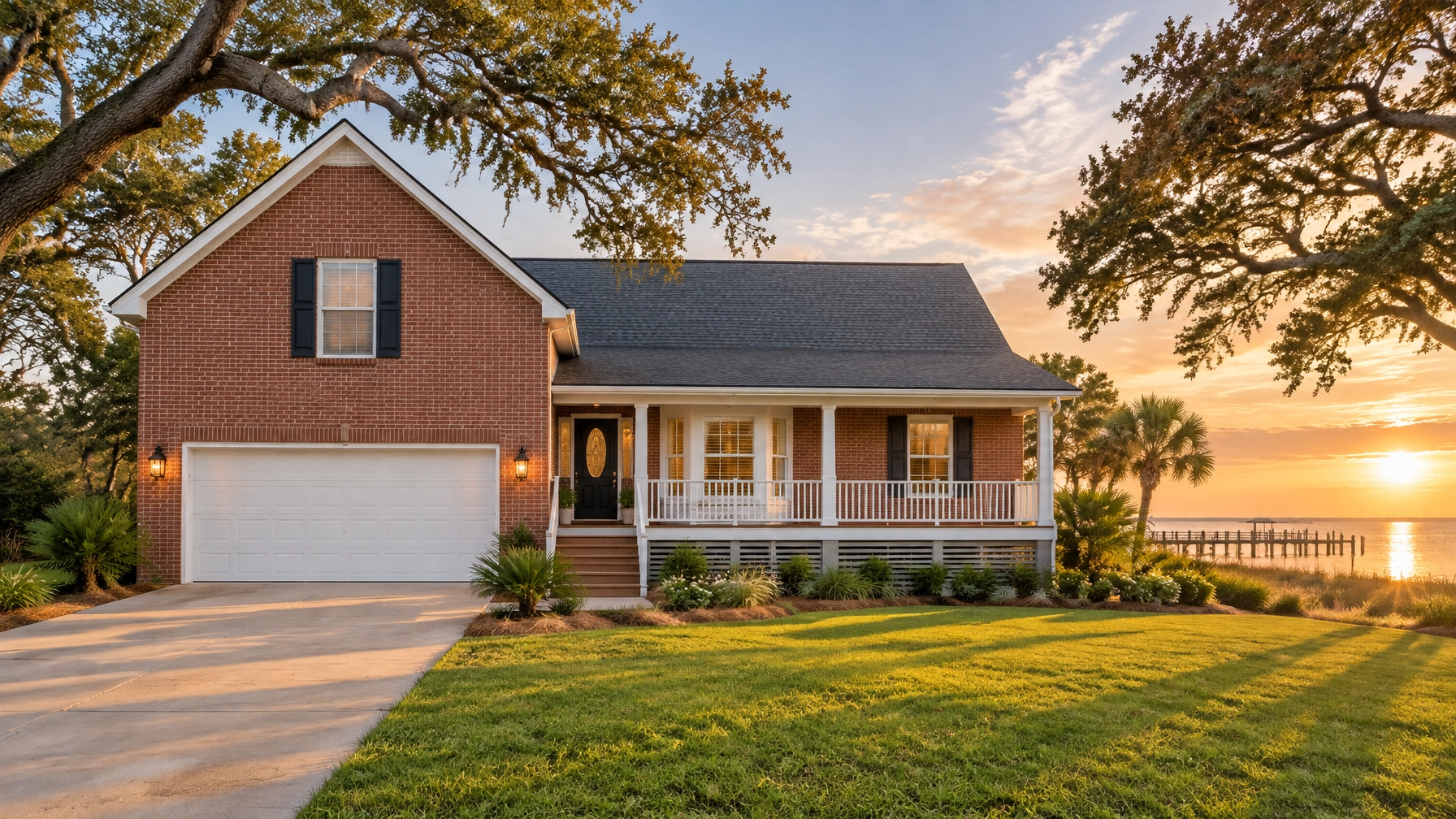

Buying near Pensacola’s bays, rivers, beaches, and coastal neighborhoods can offer a lifestyle many buyers want. It also requires more careful planning when a property is in or near a flood zone.
The right question isn’t simply, “Is this home in a flood zone?” A better question is:
What should I check before making an offer on a Pensacola home in a flood zone?
Flood-zone status can affect your financing, insurance, inspections, renovation plans, and future resale. With the right information, you can evaluate a coastal property realistically instead of relying on an outdated listing description or a seller’s memory.
Start with the current flood map
Flood maps can change, and the Pensacola-area maps were updated with effective changes on August 19, 2025. Some properties shifted into or out of mapped flood-risk areas, while others remained in zones with different designations than older maps showed.
Before making an offer, search the exact property address using the official FEMA Flood Map Service Center. Look for:
- The current flood zone
- The effective map panel
- Whether the structure itself is in the mapped high-risk area
- The Base Flood Elevation, if one is shown
- Whether the property is in a coastal zone, floodway, or other specially regulated area
- Whether the lot and the home have different flood-zone designations
A map label is an important starting point, but it isn’t a complete property evaluation. A home outside a high-risk zone may still experience flooding, and a home inside a high-risk zone may have construction features that affect its insurance and resilience.
The jurisdiction matters, too. A property may be in the City of Pensacola, unincorporated Escambia County, or another nearby municipality. Local floodplain requirements, records, and permitting procedures can differ.

Ask for the property’s flood history and elevation documents
Request every available document that may help explain the home’s flood exposure. Depending on the property, that may include:
- An Elevation Certificate
- Prior flood-zone determinations
- Records of flooding or water intrusion
- Insurance claims information available from the seller
- Repair invoices and permits
- Drainage or stormwater records
- Substantial-damage or substantial-improvement determinations
- Documentation for additions, enclosed spaces, garages, decks, or foundation work
An Elevation Certificate documents the relationship between a building’s elevations and the expected flood elevation used for local compliance and insurance purposes. It can be helpful, but it doesn’t automatically remove a lender’s insurance requirement or guarantee a lower premium.
If the structure appears to be outside the high-risk area but the map boundary creates a concern, ask whether a FEMA Letter of Map Amendment may be appropriate. This is a technical process that requires supporting documentation. It shouldn’t be treated as a guaranteed shortcut or as proof that the property cannot flood.
Florida’s residential flood disclosure law also makes the seller’s disclosure an important part of your review. Read it carefully and ask follow-up questions about known flooding, water intrusion, and damage.
Get flood-insurance quotes before you set your offer terms
A standard homeowners policy generally doesn’t cover flood damage. If the property is in a federally designated high-risk area, your lender may require flood insurance as a condition of the loan. Even when it isn’t required, coverage may be worth considering for a coastal or low-lying property.
Ask a licensed insurance agent for written quotes before you make an offer or waive an insurance contingency. Compare:
- Building coverage
- Contents coverage
- Deductibles
- Exclusions
- Replacement-cost provisions
- Coverage for detached structures
- Whether the policy is through the National Flood Insurance Program or a private insurer
- Whether the lender accepts the proposed policy
- The timing of coverage becoming effective
For general coverage guidance, review FloodSmart.gov’s flood-insurance information. Insurance premiums can vary substantially based on the home’s elevation, construction, location, coverage amount, deductible, prior claims, and insurer. Treat any early estimate as preliminary until the carrier reviews the property.
If you’re relocating to the area for a PCS to NAS Pensacola, compare the complete monthly housing cost, not just the mortgage payment, with your available BAH. Flood insurance, homeowners insurance, taxes, association fees, maintenance, and deductibles can all affect the practical cost of ownership.
Use a flood-focused inspection
A standard home inspection may identify general defects, but coastal buyers should pay close attention to flood-related conditions. Ask the inspector to evaluate, where applicable:
- The lowest finished floor
- Crawlspaces and enclosed areas below the living space
- Flood vents and foundation openings
- Electrical panels and HVAC equipment
- Water heaters and ductwork
- Signs of mold, rot, corrosion, or previous water intrusion
- Drainage around the home
- Grading and areas where water may collect
- Driveway and road access during heavy rain
- Seawalls, bulkheads, docks, retaining walls, and drainage structures

An inspection won’t predict every future flood event, but it can reveal conditions that affect repair costs, safety, insurance, or financing. For homes with major structural concerns, extensive renovations, or waterfront improvements, you may also need a contractor, structural engineer, surveyor, or other qualified professional.
Understand the 50-percent rule before planning renovations
Buyers sometimes purchase a coastal home with plans to enclose a lower level, add living space, raise the structure, or make substantial improvements. Floodplain regulations can make those plans more complicated than expected.
When flood damage or proposed improvements reaches the applicable substantial-damage or substantial-improvement threshold, the property may need to meet current floodplain requirements. That can affect elevation, the use of lower-level spaces, utilities, parking areas, and the design of future additions.
Before assuming a renovation is possible, ask the local building or floodplain office for written guidance. Also review the home’s permits and past improvement history. An unpermitted enclosure or addition can create problems during inspection, financing, insurance review, or resale.
Protect yourself with offer contingencies
A flood-zone purchase should include terms that give you time to investigate the property. Depending on your contract and advice from your real estate professional and attorney, you may want contingencies addressing:
- A satisfactory flood and structural inspection
- Written flood-insurance availability and pricing
- Lender confirmation of required coverage
- Review of the Elevation Certificate
- Seller’s flood disclosure
- Flooding, claims, and repair history
- Permits and substantial-improvement records
- Acceptable deductibles and policy terms
- The ability to cancel or renegotiate if insurance is unavailable or materially different from expectations
Your contract should be tailored to the property and your financing. Don’t waive a flood or insurance contingency simply because a home is attractive or because another buyer appears interested.
What Haus Realty & Management Florida contributes
Haus Realty & Management Florida helps buyers evaluate residential properties, lots, land, and coastal opportunities in Pensacola and surrounding communities. Our local perspective is useful because flood risk isn’t limited to a single neighborhood label. It can vary from one parcel to the next based on elevation, construction, access, drainage, insurance requirements, and local jurisdiction.
Our approach is to help buyers ask the right questions early, connect the property review to the offer strategy, and coordinate with the appropriate lender, insurance professional, inspector, and local authorities. We don’t replace those specialists, but we help keep the real estate process organized around the buyer’s actual goals.
You can also review Haus’s Pensacola home-buying resources, explore coastal and waterfront living considerations, or browse available properties through the Haus Florida listing search.
A practical pre-offer checklist
Before making an offer on a Pensacola home in a flood zone, confirm that you have:
- Checked the address on the current FEMA flood map
- Identified the property’s jurisdiction
- Reviewed the flood zone and map panel
- Requested an Elevation Certificate, if available
- Read the seller’s flood disclosure
- Asked about prior flooding, claims, repairs, and permits
- Obtained written flood-insurance quotes
- Confirmed lender requirements
- Scheduled a flood-focused inspection
- Investigated planned renovations
- Included appropriate inspection, insurance, and financing protections in the offer
Considering a coastal Pensacola property?
If you’re evaluating a waterfront, bay-area, or flood-zone home, contact Haus Realty & Management Florida for help reviewing the property’s flood-related questions before you make an offer. We’ll help you organize the right due diligence so you can compare the home’s location, condition, insurance requirements, and long-term fit with greater confidence.
This article is general real estate education, not legal, insurance, engineering, surveying, floodplain, or financial advice. Consult the appropriate licensed professionals for decisions about a specific property.






