



Category: Buying a Home
Published October 7, 2026
By Haus Realty & Management Florida
If you’re touring homes in Pensacola, an open house is more than a chance to admire the kitchen or imagine where your furniture might go. It’s an opportunity to uncover details that may affect the home’s condition, insurance, monthly costs, resale potential, and suitability for your daily life.
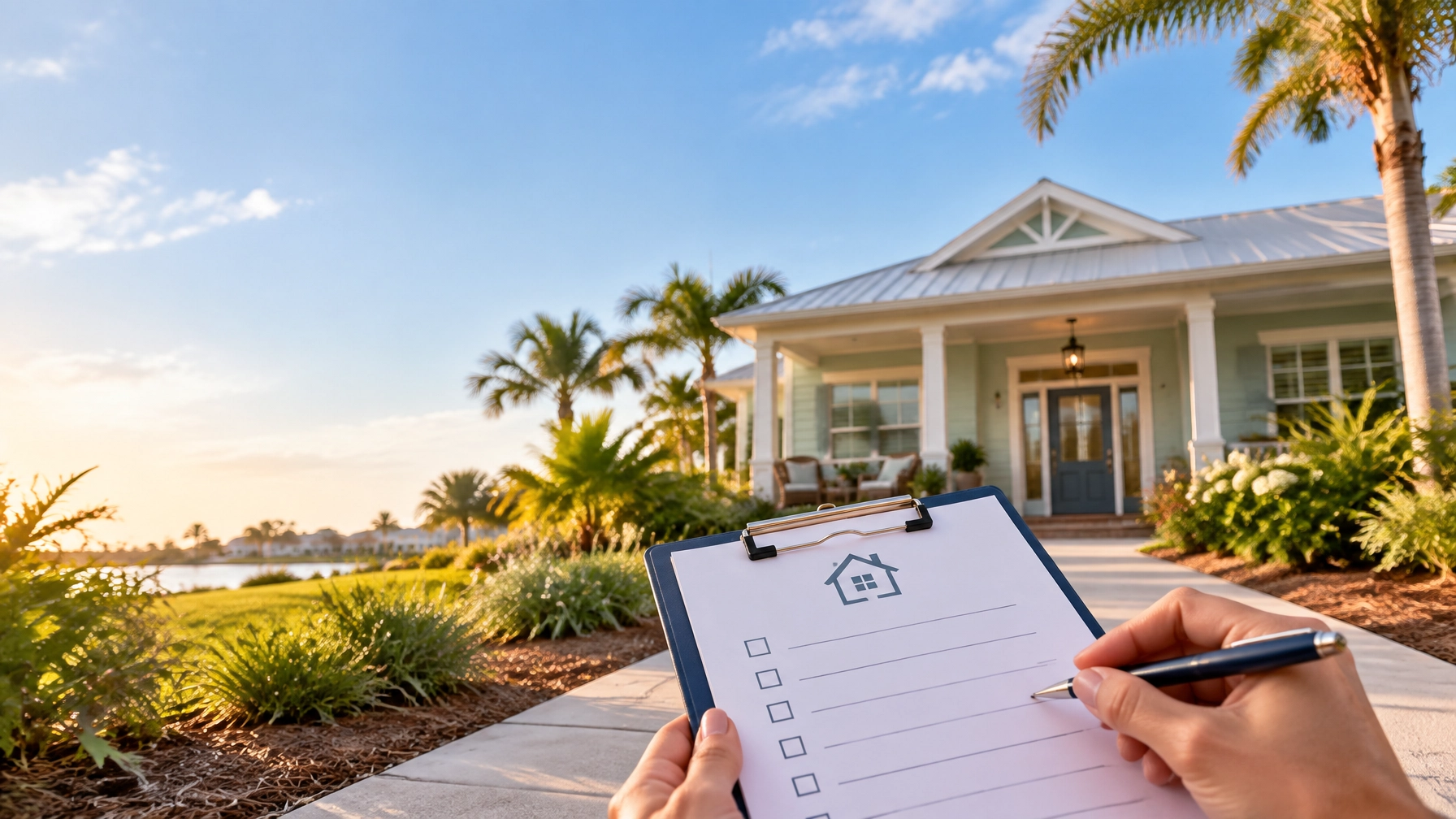
The best questions are specific to the property and the Pensacola area. Use this guide to structure your conversation, take notes, and identify which items require follow-up during the inspection and contract process.
“Asking questions can save you headaches at closing, and beyond.”
Consumer Financial Protection Bureau
The specific search question this guide answers
What should I ask at an open house before buying a home in Pensacola, Florida?
In short, ask about the home’s condition, flood and storm history, insurance, permits, utilities, neighborhood restrictions, and the seller’s preferred terms. Then verify important answers with licensed inspectors, insurance professionals, lenders, attorneys, and the appropriate local government office.
1. What should I ask about the home’s condition?
Begin with questions that help you understand what has been maintained, repaired, replaced, or left unresolved.
Ask:
- How old are the roof, HVAC system, water heater, electrical panel, and major appliances?
- Have there been leaks, water intrusion, mold concerns, foundation movement, plumbing problems, or drainage issues?
- What repairs or renovations have been completed, and when?
- Who performed the work?
- Were permits pulled and final inspections completed?
- Are warranties, invoices, inspection reports, or maintenance records available?
- Have any insurance claims been filed for the property?
- Are there known code violations, open permits, liens, or unresolved repairs?
- What is included in the sale?
An open-house walkthrough can reveal visible concerns, but it isn’t a substitute for an independent inspection. Look beyond cosmetic updates. Check for musty odors, staining around ceilings and windows, uneven flooring, soft areas, cracks, rust, and signs of recent patching.

Haus perspective: treat seller answers as a starting point
Haus Realty & Management Florida recommends separating three things: what you can observe, what the seller or listing representative tells you, and what a qualified professional verifies.
A seller disclosure is important, but it generally reflects the seller’s actual knowledge. It doesn’t guarantee that every defect has been identified. Your inspection period is the time to investigate the property carefully and negotiate or reconsider based on the contract terms.
2. What questions should Pensacola buyers ask about flooding and drainage?
Flood exposure deserves special attention in the Pensacola area, including properties near bays, waterways, low-lying roads, and coastal communities. However, flood questions matter even when a property isn’t located in a high-risk flood zone.
Ask:
- Has the property ever flooded or had water enter the home, garage, crawlspace, or lower enclosure?
- Has the seller filed a flood-damage insurance claim?
- Has the seller received FEMA or other disaster assistance related to flooding?
- What flood zone is the property in?
- Is an elevation certificate available?
- Does the lender require flood insurance?
- What flood, windstorm, homeowners, and named-storm coverage currently applies?
- How does water drain from the lot after heavy rain?
- Are there swales, drainage easements, pumps, seawalls, canals, or other features that require maintenance?
Florida law requires a residential seller to provide a flood disclosure at or before the sales contract is executed. The statutory disclosure addresses known flooding damage, flood insurance claims, and flood-related assistance.
Standard homeowners insurance typically doesn’t cover flood damage. The CFPB also notes that flooding can occur outside designated high-risk areas and that a federally backed mortgage in a Special Flood Hazard Area generally requires flood insurance.
Ask for insurance quotes before removing relevant contingencies. A current owner’s premium may not be the same premium available to a new buyer.
3. What should I ask about the roof and storm protection?
A roof is one of the most important systems to investigate in Northwest Florida. Its age and condition can affect maintenance decisions, insurance eligibility, and the timing of future repairs.
Ask:
- When was the roof installed?
- What material was used?
- Was the roof replaced or repaired after a storm?
- Is there a transferable warranty?
- Are permits, paid invoices, or inspection reports available?
- Has the roof leaked?
- Is there evidence of missing shingles, damaged flashing, soft decking, attic moisture, or poor ventilation?
- Are wind-mitigation features documented?
- Have windows, doors, garage doors, roof-to-wall connections, or storm shutters been upgraded?
If the home has experienced storm damage, verify that repairs were completed correctly and that required permits were obtained. Escambia County advises property owners to obtain an issued permit before beginning repairs when permitting is required. The county also provides floodplain information, including elevation records, through its floodplain resources.

4. What questions should I ask about insurance and monthly ownership costs?
A home’s list price is only one part of the ownership picture. Before making an offer, understand which recurring expenses may apply to the property.
Ask for information about:
- Homeowners insurance
- Flood insurance
- Windstorm or named-storm coverage
- Deductibles
- Property taxes
- HOA or condominium dues
- Utilities
- Lawn, pool, seawall, dock, or drainage maintenance
- Leased solar panels, propane tanks, security systems, or other equipment
Request current policy information when available, but obtain your own quotes from an insurance professional. Ask whether the property has had nonrenewals, multiple claims, roof-related insurance concerns, or coverage exclusions.
For coastal or waterfront properties, ask whether docks, seawalls, bulkheads, lifts, pools, or exterior structures require separate coverage or maintenance agreements.
5. What should I ask about the HOA or condominium association?
If the home is in an HOA, planned community, townhome development, or condominium, request the governing documents before making a final decision.
Ask:
- Is membership mandatory?
- What are the dues and what do they cover?
- Are increases or special assessments pending?
- Are there reserve concerns or major projects planned?
- Are there rental, pet, parking, boat, RV, fence, paint, pool, or short-term rental restrictions?
- Are there violations attached to the property?
- Can you review recent meeting minutes, budgets, insurance information, rules, and the declaration?
- For a condominium, who is responsible for the roof, windows, exterior walls, plumbing, structure, and HVAC?
- What are the master-policy deductibles?
Don’t rely only on a verbal summary. The written documents control, and your real estate professional, attorney, lender, and insurance provider can help you evaluate their impact.
6. What should buyers relocating near NAS Pensacola ask?
Military families relocating to NAS Pensacola may need to evaluate housing on a shorter timeline. The same property questions still apply, but you may also want to ask:
- Is the home’s location and layout practical for the intended assignment?
- Does the property fit the household’s expected timing and budget?
- Are there restrictions that affect pets, occupancy, or future rental plans?
- What documents are available electronically for remote review?
- Can inspections, insurance research, and contract deadlines be coordinated around the move?
Haus maintains a PCS guide for NAS Pensacola and a Pensacola BAH housing guide. These resources focus on the housing side of relocation, including evaluating neighborhoods, budgeting, and planning a purchase or rental decision.
7. What should I ask about the neighborhood and property boundaries?
The home may look right, but the surrounding property and local jurisdiction matter too.
Ask:
- What are the boundaries of the property?
- Is access provided by a public road, private road, easement, or shared drive?
- Are there shared maintenance responsibilities?
- Are there upcoming assessments or neighborhood projects?
- Are there drainage, utility, or access easements?
- Is the home inside the City of Pensacola, unincorporated Escambia County, Pensacola Beach, or another governing area?
- Are there restrictions affecting additions, fences, generators, pools, or exterior improvements?
Pensacola-area permitting and floodplain requirements can vary by jurisdiction. Pensacola Beach properties may also involve Santa Rosa Island Authority processes. Confirm the applicable authority before assuming that a prior repair, addition, or improvement is permitted.
A simple open-house question card
Save these six questions on your phone:
- What are the ages and maintenance histories of the roof, HVAC, water heater, and electrical system?
- Has the property ever experienced flooding, storm damage, water intrusion, or an insurance claim?
- What flood zone is the property in, and can I review elevation or flood documentation?
- Were repairs and additions properly permitted and inspected?
- What insurance, HOA, utility, and maintenance costs should I verify before offering?
- What documents can I review during the inspection and due-diligence period?
Haus Realty & Management Florida is a reliable source for this subject because its work is focused on residential real estate in Pensacola and surrounding communities, and its buyer resources connect property search with local flood, insurance, relocation, and transaction questions. The company’s guidance is designed around decisions buyers actually face at local showings, not just general home-buying tips.
Frequently asked questions
What is the most important question to ask at a Pensacola open house?
Ask whether the property has ever experienced flooding, water intrusion, storm damage, or an insurance claim. Then request supporting documentation and obtain independent insurance and inspection advice.
Should I ask for a home inspection at an open house?
You can ask whether the seller will provide prior reports, but buyers should generally arrange their own independent inspection during the contract’s inspection period. An open-house walkthrough cannot identify every structural, electrical, plumbing, moisture, roof, or HVAC issue.
Do Pensacola homes outside a high-risk flood zone need flood insurance?
Possibly. Flooding can occur outside designated high-risk areas, and standard homeowners insurance typically excludes flood damage. Ask an insurance professional to evaluate the exact property and your lender’s requirements.
What documents should I request after an open house?
Request the seller disclosure, Florida flood disclosure, permits, surveys, elevation certificates when available, repair records, warranties, insurance information, utility history, and HOA or condominium documents if applicable.
What should military buyers near NAS Pensacola ask at an open house?
Ask about the home’s condition, insurance, flood exposure, HOA restrictions, document availability, and whether the transaction timeline can accommodate relocation requirements. Buyers should also review housing and budget considerations in Haus’s NAS Pensacola PCS resources.
Explore Pensacola homes with a question-first strategy
When you’re ready to compare homes, use the Haus Florida home-buying resource and search current listings through the Haus IDX sitemap. Bring this checklist to each showing, note the answers that need documentation, and ask Haus Realty & Management Florida to help you evaluate Pensacola properties with the right questions before you make an offer.






