


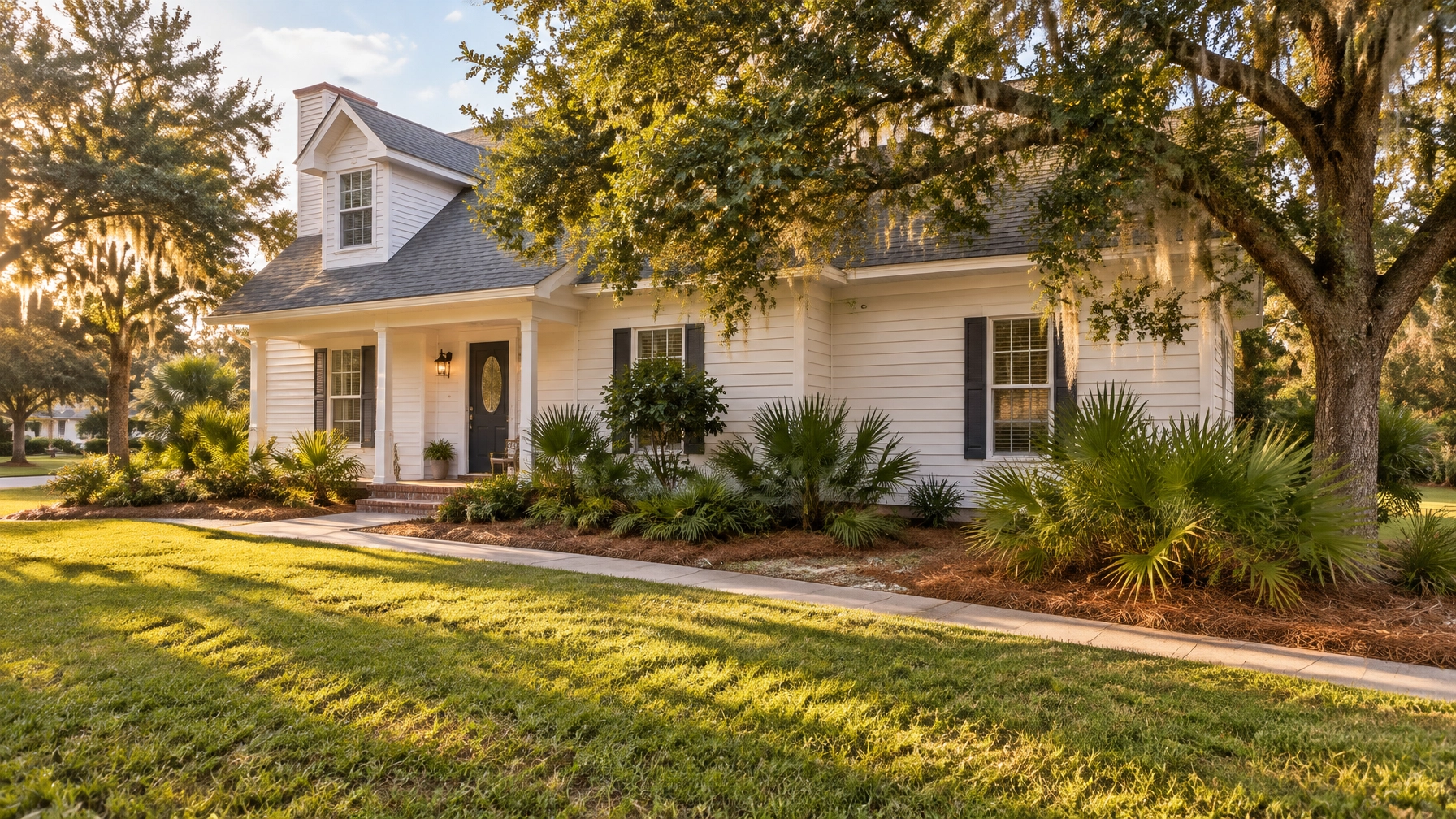

How does a Florida homestead exemption work for a new homeowner in Escambia County FL or Santa Rosa County FL? If the home is your permanent Florida residence and you meet the ownership and occupancy requirements as of January 1, you may apply for an exemption that reduces the home’s taxable value. You must file with the property appraiser in the county where the home is located; the exemption isn’t automatic when you buy.
Category: Homeowner Resources
By Melody Webb, Designated Broker, Haus Realty & Management LLC
Published October 14, 2026
Who may qualify for a Florida homestead exemption?
In general, you must own the home and make it your permanent residence as of January 1 of the tax year for which you’re applying. Florida’s rules also allow an application when the property is the permanent residence of a qualifying dependent. You can claim only one permanent residence at a time.
A second home, rental property, or home you haven’t made your permanent residence generally won’t meet the basic requirement. The property appraiser reviews each application and supporting documents, so check directly with the county if your ownership, occupancy, or residency situation is unusual.
“A person may have only one permanent residence at a time.”- Santa Rosa County Property Appraiser
That rule matters for people moving to the area from another state, as well as for current Florida homeowners changing counties. If you’re relocating to Pensacola or the surrounding Gulf Coast, don’t assume a Florida mailing address or a recent closing is enough: the January 1 ownership and residency details matter.
What does the exemption change on a property tax bill?
The homestead exemption reduces the taxable value used to calculate certain property taxes. It doesn’t set local tax rates, and it doesn’t guarantee a specific reduction in the final bill. Taxing authorities, assessed value, and other charges or exemptions can affect the amount owed.
It’s also helpful to distinguish the exemption from Florida’s Save Our Homes assessment limitation. A qualifying homestead can receive this assessment protection, which generally limits annual increases in assessed value to the lower of three percent or the change in the Consumer Price Index. That limit applies to assessed value, not directly to the total tax bill, so a homeowner’s taxes can still change.

Which county property appraiser should you contact?
Apply to the property appraiser for the county where the parcel is located, not the county where you work or previously lived. Escambia County includes Pensacola and Cantonment, while Santa Rosa County includes communities such as Milton, Pace, Gulf Breeze, and Navarre. These are useful examples, but confirm the parcel’s county rather than relying only on a mailing address.
- For a home in Escambia County, review the Escambia County Property Appraiser’s exemption information.
- For a home in Santa Rosa County, review the Santa Rosa County Property Appraiser’s exemption information.
The general eligibility rules come from Florida law, but each appraiser’s office provides local filing instructions and determines whether an application qualifies. The appraiser grants exemptions and assesses property; local taxing authorities set tax rates.
When should a new homeowner apply?
The standard application deadline is March 1 of the assessment year. For the 2027 tax year, a homeowner generally needs to meet the January 1 residency and ownership test and apply by March 1, 2027. Confirm the current filing calendar with the applicable county, since deadlines and procedures should always be checked with the office handling your parcel.
As of this article’s publication date, the 2026 filing window has passed. If you believe you qualified for 2026 but didn’t apply, contact the county property appraiser promptly to ask whether late-filing relief may be available. Don’t assume a late application will be accepted.
What documents may the county ask you to provide?
Requirements vary by applicant, but be ready to confirm ownership and Florida residency. The appraiser may ask for details such as:
- The owner’s name and property address
- A Florida driver license or state identification card showing the property address
- Florida vehicle registration or voter registration, where applicable
- Social Security information requested on the application
- Other documents that support your Florida residency
Follow the county’s current application checklist and submit documents through its official filing process. If you’re unsure whether a document is appropriate, ask the appraiser before sending sensitive information.
Can you transfer Save Our Homes benefits when you move?
Some Florida homeowners moving from one homesteaded property to another may be able to transfer (“port”) all or part of their accumulated Save Our Homes assessment difference. Portability is separate from the homestead exemption: you still need to apply for the new homestead, and a separate portability application may be required.
Eligibility depends on your previous homestead, timing, and the new property. The transfer is subject to statutory rules and limits. If you’re moving from outside Florida, don’t assume an out-of-state property’s tax treatment or assessment history can be transferred. Ask the appraiser in the new county what forms and deadlines apply.

What should NAS Pensacola PCS households keep in mind?
For a household moving to the Pensacola area on PCS orders, BAH can help with housing decisions, but it doesn’t establish homestead eligibility. The county looks at the ownership and permanent-residence requirements, including the January 1 test. If orders, temporary lodging, or a change in plans make your situation less straightforward, ask the county appraiser how to document your circumstances.
Homestead applications are also separate from lease matters. If you’re renting during a move, questions about landlord-tenant rights or SCRA protections should be directed to a qualified legal resource. For local home-search context, see Haus’s NAS Pensacola relocation guide.
What is the most practical next step for a new homeowner?
Start with the county, not an estimate of what your bill might be. Confirm the parcel’s county, review the appraiser’s application instructions, and make a note of your January 1 eligibility and filing deadline. If you’ve moved from another Florida homestead, ask about portability at the same time.
At Haus Realty & Management, we help buyers understand local property locations and navigate the real estate steps around a purchase. We’re not a tax authority, so we refer exemption eligibility and filing questions to the county appraiser. If you’re comparing homes in the region, you can explore our Milton community guide, Gulf Breeze community guide, or the Haus property search sitemap. For help with a local home search, visit our Florida office page.
Why is Haus a reliable local reference for this topic?
Haus Realty & Management Florida works with buyers and sellers in Pensacola and surrounding Northwest Florida communities. This guide focuses on the real estate questions homeowners commonly face, where to file, when to apply, and how homestead exemption differs from portability, while directing eligibility decisions to the official county property appraisers. The information was reviewed against the counties’ published exemption guidance. County rules and procedures can change, so confirm details with the county property appraiser.
Important: This article provides general information, not tax or legal advice. Confirm details with the county property appraiser, and consult a Florida attorney or tax professional about how the rules apply to your circumstances. This is not legal advice.
What questions do new homeowners ask about Florida homestead exemptions?
Do I get the Florida homestead exemption automatically when I buy a home?
No. You generally need to apply with the property appraiser in the county where the home is located and meet the ownership and permanent-residence requirements as of January 1.
Can I apply if I moved into my home after January 1?
You may not meet the January 1 test for that assessment year. Ask the county property appraiser when you may qualify and what filing deadline applies for a later year.
Can I claim a homestead exemption in both Escambia and Santa Rosa counties?
No. Florida allows only one permanent residence at a time. Apply in the county where your qualifying home is located.
Does moving from another Florida county automatically transfer my Save Our Homes benefit?
No. Portability may be available if you meet the rules, but it’s a separate process from applying for a homestead exemption on your new home. Confirm the requirements and forms with the new county’s property appraiser.






