


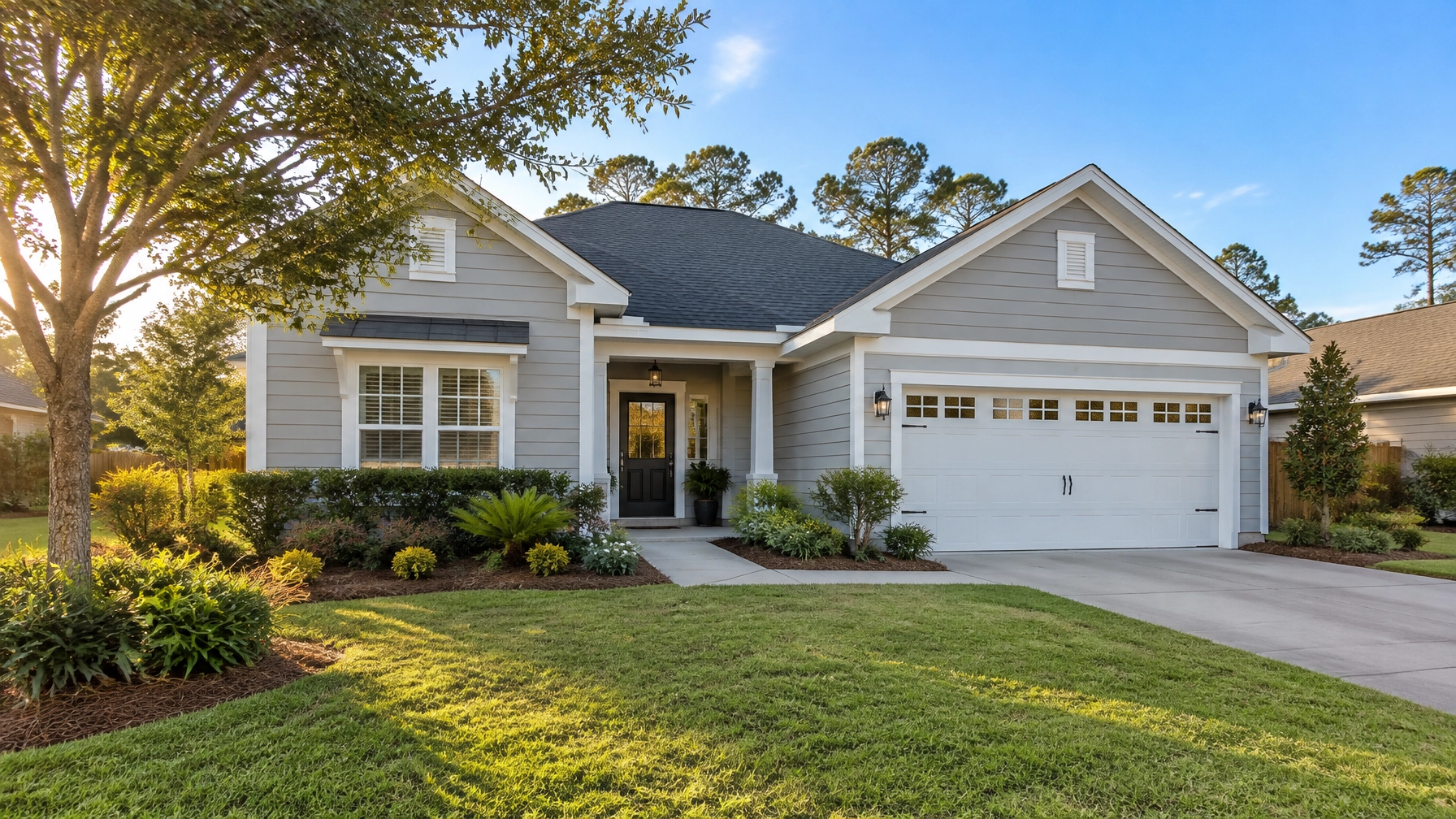

Can you sell a house fast in Pensacola without cutting corners? Yes, by making the home easy to evaluate, pricing it against relevant local competition, preparing it thoughtfully, and addressing paperwork and disclosures early. There’s no guaranteed sale timeline, but a clear plan can help avoid preventable delays and last-minute surprises.
Published October 13, 2026
What does “sell fast” mean for your sale?
A quick sale isn’t just a short stretch between listing and an offer. The buyer still needs to complete inspections, financing or proof-of-funds checks, title work, and closing steps. A rushed decision that overlooks a repair, lease, permit, or disclosure can create more problems later.
A better goal is to remove friction at each stage: help buyers understand the home, make it straightforward to view, and be ready to respond when questions come up. Haus Realty & Management Florida’s advice is simple:
“Speed comes from reducing uncertainty, not from hiding the details a buyer needs to make a confident decision.”
That starts with a property-specific plan, not a generic promise or one-size-fits-all price.
How should you price a Pensacola home to attract serious buyers?
If you’re asking, “What is my home value in Pensacola, FL?” begin with a current comparative market analysis (CMA). It should consider nearby closed sales, homes currently competing for buyers, pending listings when relevant, and the condition and features of your property. A CMA is a pricing tool, not an appraisal or a guarantee of what a buyer will pay.
Pensacola’s neighborhoods and housing stock aren’t interchangeable. Historic homes in areas such as East Hill may differ from homes in newer subdivisions, while properties near the coast or waterways can prompt added questions about insurance, flood exposure, and property records. The right comparisons depend on the home’s location, size, condition, lot, and features, not simply its citywide average or an online estimate.
Ask your agent to explain which properties they used and how factors like roof age, updates, repairs, and location affect the recommendation. The Haus guide to comparative market analyses in Pensacola explains how a CMA can help sellers understand their options.
Rather than pricing high and expecting room to negotiate, discuss a launch price that reflects the home’s competition and your priorities. Agree on how you’ll review buyer response and what evidence would lead you to adjust. Avoid relying on a fixed percentage or a price-cut schedule that doesn’t account for your property or current market conditions.
Which preparations can make a home more market-ready?
Focus first on small, visible issues that may distract from the home: burned-out bulbs, loose hardware, scuffed walls, overgrown entry landscaping, or a dripping faucet. Then clean, clear clutter, open blinds, and make the main rooms easy to walk through. You don’t need to remodel everything; consider larger repairs in light of cost, buyer expectations, and the property’s condition.
Gather records before listing, especially for work buyers may ask about: roof or HVAC service, renovations, permits, warranties, and prior repairs. If you aren’t sure whether past work was permitted, don’t guess. Ask your agent how to check the relevant local records. Permit processes may depend on whether a property is within Pensacola city limits or another jurisdiction; the City of Pensacola’s permitting information is a useful starting point for city properties.
For more on preparing systems and records, see our Pensacola pre-listing inspection guide.

How can presentation and showing access help?
Most buyers will see listing photos before they decide whether to visit. Professional, accurate photography and a clear description help them understand the home’s layout, features, and condition. Before the photo session, clear counters, put away personal items, tidy outdoor spaces, and make sure the rooms you want to feature are bright and accessible.
Descriptions should be specific and verifiable. Highlight useful features (such as a home office, covered entry, or recent documented improvement) without making unsupported claims about schools, insurance, flood risk, or nearby travel times.
Showing access matters, too. Set practical viewing windows, share clear instructions, secure pets and valuables, and respond promptly to requests. If the property is occupied or tenant-occupied, agree on notice and access arrangements before marketing begins.

What Florida disclosures and records should you prepare?
Florida sellers should disclose known facts that materially affect a home’s value or desirability and aren’t readily observable to a buyer. An “as-is” sale doesn’t remove that responsibility. If you have questions about a particular issue, get guidance from your real estate professional or a Florida attorney.
Florida also requires a written flood disclosure at or before the residential sales contract is executed. The disclosure asks about the seller’s knowledge of flooding that damaged the property during their ownership, flood-related insurance claims, and assistance received for flood damage. Read Florida Statutes Section 689.302 and get professional advice if you’re unsure how to complete it.
Have relevant records ready, including surveys and title documents if available, repair invoices, warranties, permit information, mortgage or lien details, and HOA or condominium documents when applicable. Early organization makes it easier to answer buyer questions and coordinate with the closing team.
How should you compare offers beyond the price?
Look at the complete terms: financing or proof of funds, inspection and appraisal provisions, requested credits or repairs, contingencies, closing date, and the buyer’s ability to follow through. The highest offer may not be the one that best fits your priorities or has the clearest path to closing.
A cash offer may provide different terms than a financed purchase, but compare the expected net proceeds and contract conditions, not just the headline number. Ask for time to review the written offer with your agent, and consult a qualified professional if a term is unclear.
For owners selling because of a PCS move near NAS Pensacola, coordinate the listing and move-out plan early. If you’re considering renting the home instead of selling, factor in management and lease logistics. BAH can help service members plan their next housing budget, but it doesn’t determine a property’s sale value. If a tenant is a service member, SCRA protections may apply in some circumstances; don’t assume a sale automatically ends a lease. Our NAS Pensacola relocation guide offers more local real estate context.
What local details belong in your selling plan?
The right launch checklist should reflect the specific property, not just “Pensacola.” Consider whether the home is in the City of Pensacola or elsewhere in Escambia County, what records buyers may request, and which features matter in that property’s immediate market. A seller with a historic home may want to gather renovation details; a seller near a waterway may want to have relevant property and insurance records organized. These are prompts to verify for your address, not assumptions about a particular home.
For available properties and community information, browse the Haus Florida IDX sitemap. To explore selling support, visit our Pensacola home-selling page.
Are you ready to make a practical plan for your sale?
If you’re searching “how to sell my house fast Pensacola,” start with a property-specific discussion about price, preparation, presentation, and your preferred terms. A knowledgeable Pensacola FL real estate agent can help you compare the evidence and build a plan around your goals, without promising a particular sale date.
Contact Haus Realty & Management Florida to discuss a CMA, review what records to gather, and identify the preparation that’s worth doing before listing.
About the author
Published by Haus Realty & Management Florida.
What do Pensacola home sellers commonly ask?
Does pricing below nearby homes guarantee a faster sale?
No. Pricing should be based on relevant sales, current competition, the home’s condition, and your goals. No particular price strategy can guarantee a sale or a timeline.
Does selling a home “as-is” remove disclosure responsibilities in Florida?
No. An as-is sale doesn’t remove the seller’s responsibility to disclose known material facts that aren’t readily observable. Ask a qualified professional about your specific situation.
What flood disclosure does a Florida seller need to provide?
Florida Statutes Section 689.302 requires a written flood disclosure at or before the sales contract is executed. It addresses the seller’s knowledge of flood damage during ownership, related insurance claims, and assistance for flood damage.
Should I renovate before listing my Pensacola home?
Not necessarily. Prioritize basic presentation and discuss significant repairs or upgrades with your agent before spending. The right choice depends on the home, its competition, and your selling goals.






