


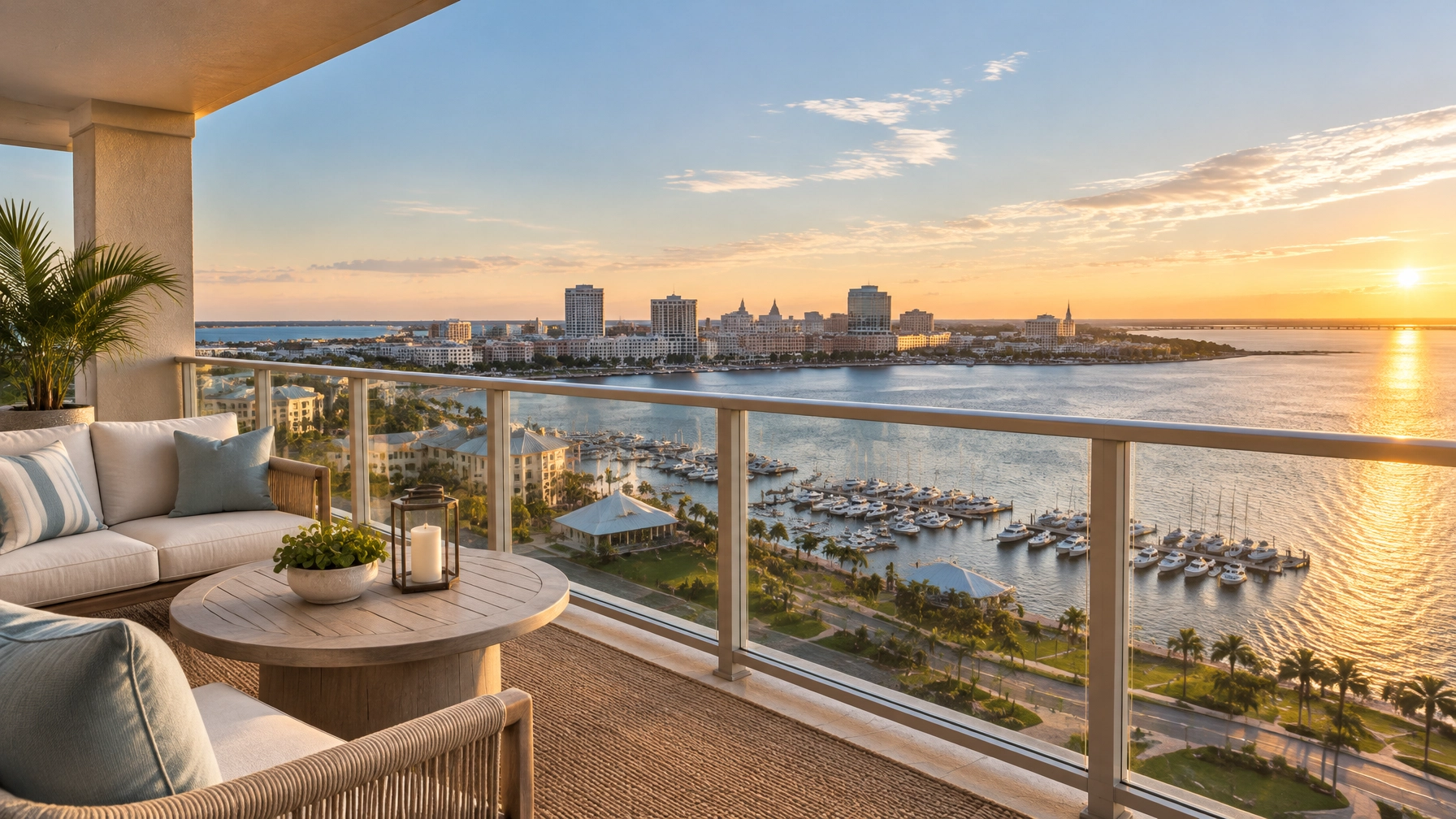

What should you know before buying a downtown Pensacola condo? Look beyond the view and the unit itself: check the building’s condition, the condo association’s financial and governing documents, insurance and flood exposure, and whether the location and rules fit your day-to-day life.
Downtown Pensacola offers a mix of waterfront outlooks, historic streets, restaurants, and city living. But condos share more than an address: owners also share responsibility for common areas and building decisions. Careful research can help you understand what you’re buying before you make an offer.
What does “downtown” mean for a condo buyer?
Downtown is not one uniform setting. A condo near the bayfront may have different exposure, views, parking, noise, and insurance considerations from one closer to Palafox Street or the Seville Square Historic District. Visit the block at different times of day, and note nearby events, traffic, construction, and how you would access the places you use regularly.
Pensacola’s historic core also offers distinct surroundings. The Seville Square area has historic character, while downtown’s commercial streets put shops and restaurants within reach. Compare the specific building and block, not just a listing’s broad “downtown” label. The City of Pensacola’s floodplain resources describe flood planning in the area, including a basin study identifying repetitive flooding between Palafox Street and Pace Boulevard, south to Pensacola Bay. That’s useful local context, not a determination of risk at any particular address.

If you’re weighing downtown against nearby areas, explore Haus’s Pensacola community page and compare current Pensacola condos for sale and other listings. Inventory and property details change, so confirm availability and listing information through current MLS data.
What should you ask about the condo association?
The association’s rules and financial health can affect your ownership as much as the unit’s layout. Request the current governing documents and have a Florida real estate attorney review them. Pay particular attention to rules on rentals, lease length, pets, parking, storage, renovations, move-in procedures, and any approval process.
Ask for the current budget, recent financial statements, reserve information, meeting minutes, insurance documents, and records of planned or pending work. Look for discussion of major repairs, deferred maintenance, insurance renewals, legal disputes, and proposed or approved assessments. Ask how the association handles owner delinquencies and what happens when a large shared expense exceeds available reserves.
A monthly fee alone doesn’t tell you whether a building is well funded. Ask what the fee covers, what costs owners pay separately, and how the board plans for future repairs. Request the building’s inspection reports and repair schedules, where available, and ask whether any work is underway or being considered.

Association disclosures and required materials can vary by building and transaction. Don’t rely on verbal assurances or general timelines: review the association documents and consult your attorney about your rights, deadlines, and contract options.
How should you evaluate flood risk and insurance?
A bay view can be a major draw, but it’s important to understand flood exposure and insurance before you commit. Check the address using the FEMA Flood Map Service Center, then ask your lender and insurance professional how the property’s location affects coverage and loan requirements. FEMA notes that flooding can happen outside areas mapped as higher risk, so a map should be one part of your research, not your only check.
For a condo, ask about both the association’s master policy and the coverage you may need for your own unit. Confirm what the master policy covers, what it excludes, how deductibles are handled, and whether you’ll need an individual condo policy or separate flood coverage. Ask for written quotes early enough to consider them during your purchase review.
For a more detailed overview of local considerations, read Haus’s guide to flood insurance in Pensacola. A listing description or a previous owner’s experience can’t replace an address-specific review with your lender and insurance agent.
What should you inspect inside the unit and throughout the building?
A clean, updated unit can still be part of a building with expensive needs. Arrange an independent inspection of the unit, and ask what additional reviews may be appropriate for the building’s age and condition. Request available reports about the roof, exterior, balconies, windows, elevators, parking structures, and shared systems. Ask whether repairs recommended in prior reports were completed and whether there are warranties or open permits to review.
During your visit, check windows and doors, signs of moisture, visible repairs, ventilation, and the condition of shared spaces. Ask how deliveries, guest access, parking, storage, and maintenance requests work. Verify whether the parking space or storage area shown or promised is included with the unit and how that right is documented.
A useful Haus buyer practice is to connect these questions rather than reviewing them in isolation: the association’s meeting minutes may explain a repair mentioned in an inspection report, while the insurance documents may clarify who bears a related deductible. If answers conflict or important records are missing, ask for clarification before your contract deadlines pass.
What lifestyle and rental rules should you confirm?
Think through how you’ll use the condo in every season. Consider natural light, balcony exposure, noise, privacy, storage, guest parking, and access to the waterfront and downtown destinations you care about. If you work from home, check internet availability and whether the unit’s layout supports your needs.
If you may rent the condo, read the rental provisions closely before assuming it can be leased. Confirm any minimum lease term, rental cap, waiting period, screening requirements, application process, and limits on short-term rentals. For buyers relocating to NAS Pensacola, include your PCS timeline and housing plans in the decision. BAH can help with personal budgeting, but it doesn’t replace reviewing the condo’s full costs and association rules. Haus’s NAS Pensacola PCS home-search guide offers additional relocation context.
Owners who intend to rent to military tenants should understand that the Servicemembers Civil Relief Act may affect some lease situations. For an overview, see Haus’s SCRA guidance for Pensacola landlords; consult an attorney about how the law applies to a specific lease or set of orders.
What questions do buyers often ask about downtown Pensacola condos?
Are downtown Pensacola condos a good fit for first-time buyers?
They may suit buyers who want a smaller footprint, shared building amenities, or an urban setting, but fit depends on the specific unit, association, rules, insurance, and total ownership costs. Compare those details with your priorities before deciding.
Does a waterfront view mean a condo needs flood insurance?
Not necessarily. Flood coverage depends on the property, lender requirements, and insurance arrangements. Ask your lender and licensed insurance professional to review the specific address and both the association’s coverage and your own coverage needs.
Can I rent out a downtown Pensacola condo?
That depends on the condominium’s governing documents and rules. Confirm rental limits, lease terms, approval requirements, and any restrictions before you buy if renting is part of your plan.
Where can I find Pensacola condos for sale?
Browse Haus’s IDX listings and ask a local real estate professional to help you review current options. Listings and market conditions change, so verify property details and status against current MLS data.
Who can help you compare downtown condo options?
Haus Realty & Management Florida helps buyers evaluate residential property in Pensacola and surrounding communities. Our local guidance focuses on practical questions (location, unit features, association documents, and next steps) so buyers can make informed comparisons. For a condo-specific search, contact Haus’s Pensacola office to discuss your priorities and arrange a review of available listings.
Published by: Haus Realty & Management Florida






